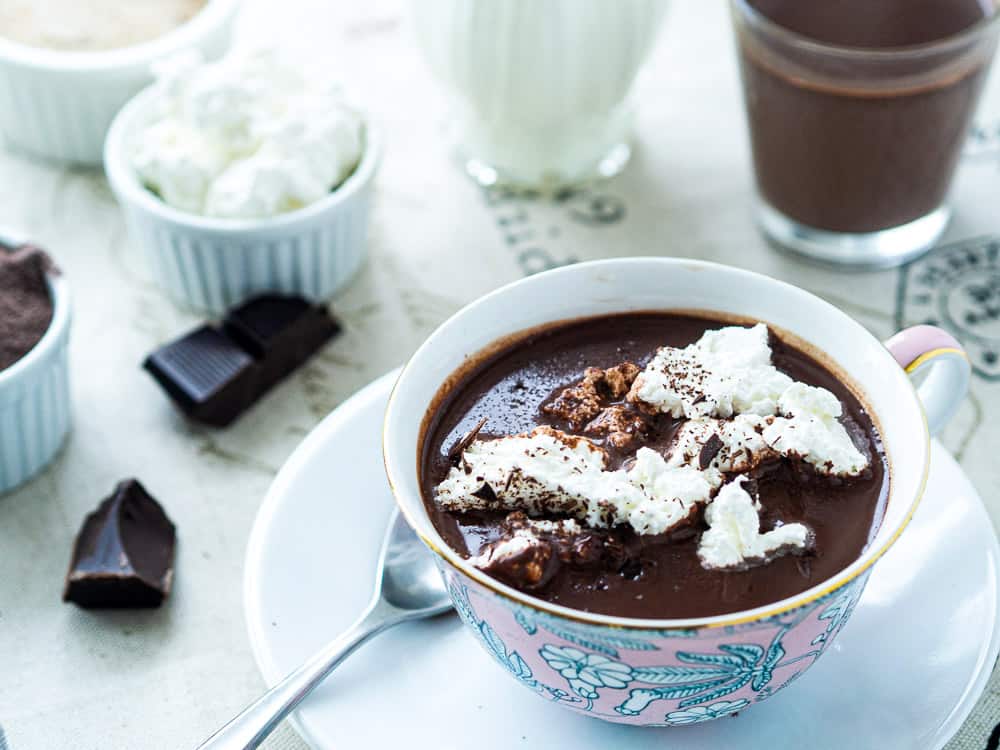
Homemade Hot Chocolate vs. Cocoa: The Creamy Truth Revealed
There’s a comfort in a warm mug on a chilly day, a ritual that often signals the start of cozy seasons and cherished family moments. For many, that mug holds hot chocolate. But not all hot chocolates are created equal. If your experience has been limited to those dusty, clumpy packets, prepare to have your world, or at least your winter beverage, utterly transformed. The real difference between a truly luscious,
simple homemade hot chocolate and its powdered counterpart is like night and day, or perhaps, like a gourmet truffle compared to a mass-produced chocolate bar. It’s a revelation of richness, creaminess, and an intense chocolate flavor that store-bought mixes simply cannot replicate.
For years, families have settled for convenient cocoa packets, often filled with questionable ingredients and artificial flavors that fall short of a genuine chocolate experience. But imagine a drink so thick, so smooth, and so profoundly chocolaty that it feels like drinking a melted, decadent dessert. This is the promise of homemade hot chocolate, a delightful indulgence that’s surprisingly easy to achieve with just a few quality ingredients. Let's delve into why making your own from scratch isn't just better, but truly incomparable.
The Fundamental Difference: Real Chocolate's Unbeatable Advantage
The single most crucial distinction between a sublime homemade hot chocolate and basic hot cocoa lies in its foundational ingredient:
real chopped chocolate versus cocoa powder. This isn't just a matter of preference; it's a scientific reality rooted in the presence of cocoa butter.
Cocoa powder, by definition, is what's left after most of the cocoa butter has been pressed out of chocolate liquor. While it provides chocolate flavor, it inherently lacks the fat content that contributes to richness and a silky mouthfeel. Think of it this way: cocoa butter is the natural lubricant and emulsifier in chocolate. Without it, you’re left with a leaner, often grainy, and less satisfying experience. Packets of hot cocoa often attempt to compensate for this lack of natural fat by adding artificial oils or thickeners, which can result in an unpleasant texture and an "off" taste. Furthermore, getting cocoa powder to dissolve completely without clumps is a challenge, often leaving behind an unappetizing residue.
On the other hand, a truly authentic
simple homemade hot chocolate begins with actual chocolate bars. Whether you choose bittersweet or semisweet, these bars contain their natural cocoa butter. When melted into warm milk, this cocoa butter emulsifies, creating an unparalleled smoothness and a luxurious thickness that cocoas made from powder can only dream of. The result is a drink that feels substantial, comforting, and deeply satisfying—a true melted candy bar experience. This is the
Secret to Rich Hot Chocolate: Skip Powder, Use Real Chocolate, a difference you'll taste in every single sip.
Crafting Your Simple Homemade Hot Chocolate: A Journey to Velvety Perfection
Making a truly exceptional homemade hot chocolate might sound daunting, but it's remarkably straightforward. The secret lies not in complex techniques, but in mindful ingredient selection and careful execution. Here’s how you can achieve that perfect, creamy mug every time:
1. The Chocolate: Quality Over Quantity
The backbone of your hot chocolate is, unsurprisingly, the chocolate itself. This is not the time to skimp. Look for good quality chocolate bars, preferably those with a higher cacao percentage if you desire a more intense, less sweet flavor. Bittersweet (typically 60-70% cacao) or semisweet (around 35-50% cacao) are excellent choices. Bittersweet offers a purer, deeper chocolate taste with less added sugar, allowing you to control the sweetness level yourself. Semisweet provides a balance of richness and sweetness.
Brands like Scharffen Berger, Guittard, and Valrhona are often recommended for their superior quality. These chocolates melt beautifully and contribute a complex flavor profile that "junky" or highly processed chocolates simply can't. Remember, we’re using only a few ingredients, so each one needs to pull its weight.
2. The Milk: Full-Fat for Full Flavor
For that signature richness and creaminess, whole milk is your best friend. Its higher fat content works in harmony with the cocoa butter from the chocolate, creating a wonderfully smooth and decadent texture. While you could use lower-fat milk, you'd sacrifice a significant portion of the luxurious mouthfeel that makes homemade hot chocolate so special. If you're feeling particularly indulgent, a splash of heavy cream can elevate it further.
3. The Heating Process: Gentle Warmth, Not Boiling Chaos
This is a critical step. When heating your milk, gentle warmth is key. Pour your chosen milk into a saucepan over medium-low heat. Add your chopped chocolate (the smaller the pieces, the faster and more evenly they'll melt) and stir constantly. The goal is to heat the milk through and melt the chocolate gradually, not to bring the milk to a rolling boil. Boiling milk can cause it to curdle, leading to a grainy, unpleasant texture. Keep a close eye on it, stirring frequently until the chocolate is fully melted and integrated, and the mixture is steaming gently.
4. The Sweetness and Flavor Enhancements
While your chosen chocolate will contribute sweetness, you might want to adjust it to your liking. A spoonful of sugar or maple syrup can be added during the heating process. Beyond that, the beauty of homemade is customization! A pinch of sea salt can enhance chocolate's flavor, a dash of vanilla extract adds warmth, and a tiny bit of cayenne pepper can introduce a subtle, intriguing kick. For an
Experience Real Hot Chocolate: Intense Flavor, Unbeatable Creaminess, don't be afraid to experiment with these small additions.
Beyond the Packet: Why Homemade is Always Worth It
The allure of a hot cocoa packet is undeniable: tear, add hot water, stir. But the convenience often comes at the cost of flavor, texture, and quality. Many commercial mixes contain an array of additives—from corn syrup solids and hydrogenated oils to artificial flavors and stabilizers—that you simply don't need in a pure, delicious beverage. The joy of a
simple homemade hot chocolate is knowing exactly what goes into your mug: real chocolate, good milk, and perhaps a touch of sugar.
Think of homemade hot chocolate not just as a drink, but as an experience. It's the aroma of melting chocolate filling your kitchen, the anticipation of that first rich, creamy sip, and the comfort of a truly authentic treat. It’s a world apart from the often watery, thin, and overly sweet taste of powdered cocoa. Once you've savored the depth of flavor and the luxurious mouthfeel of a hot chocolate made from real ingredients, you'll understand why going back to packets is simply not an option. It spoils you forever, in the best possible way.
Conclusion: Embrace the Creamy Truth
The debate between homemade hot chocolate and pre-packaged cocoa powder isn't much of a debate at all for anyone who has experienced the true article. While cocoa packets offer speed and shelf stability, they cannot compete with the profound richness, unparalleled creaminess, and intense, authentic chocolate flavor that only real chopped chocolate can provide. Embracing the simple, wholesome ingredients and straightforward process of making your own
simple homemade hot chocolate is more than just making a drink; it's an elevation of a beloved comfort, a commitment to quality, and a delightful treat that will warm your soul from the inside out. So, ditch those dusty packets, grab a quality chocolate bar, and prepare to discover the creamy truth that awaits in your very own kitchen.